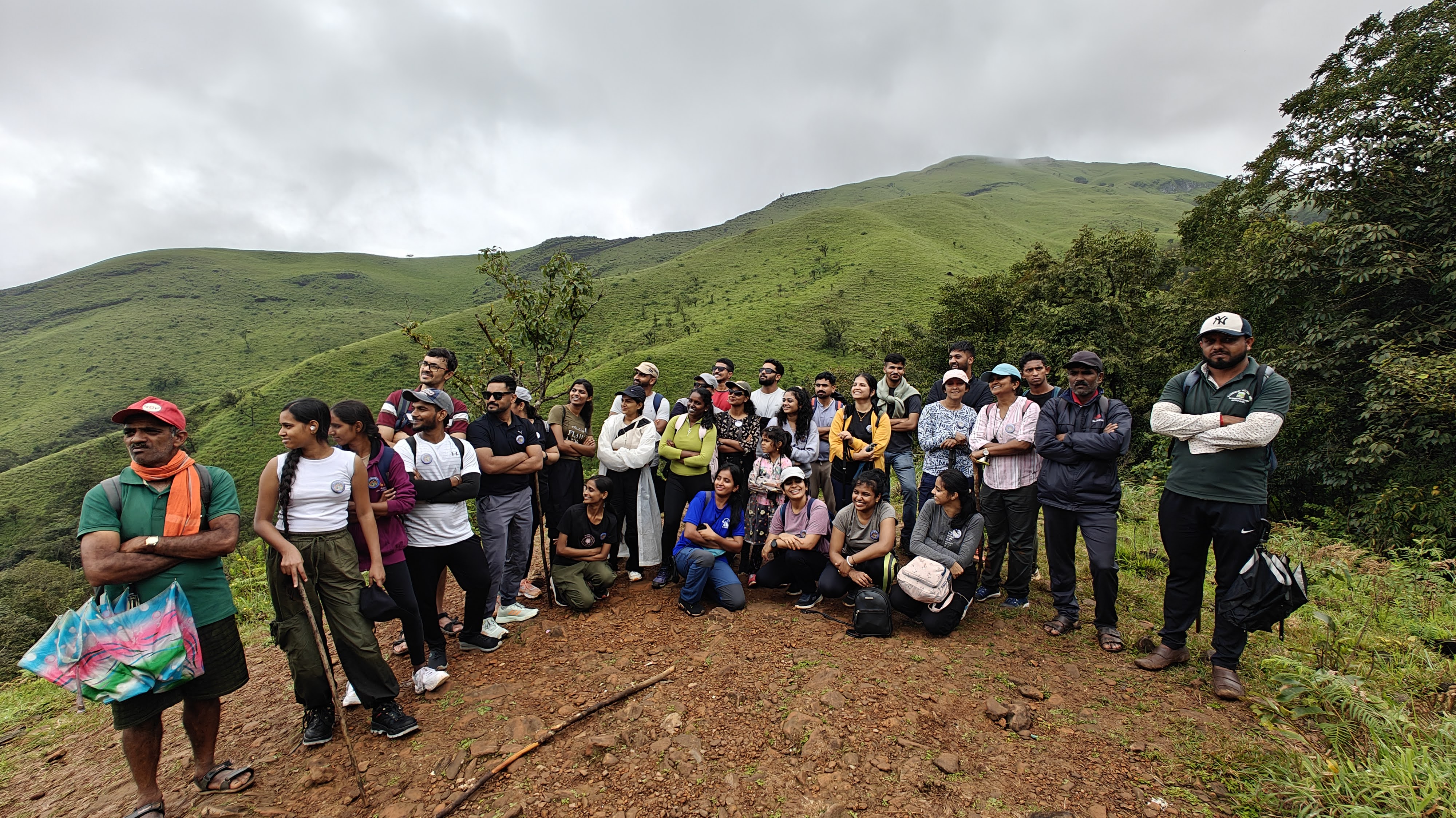
My First Waterfalls Trek - Ballalarayana Durga - Bandaje falls trek experience with Copravasi
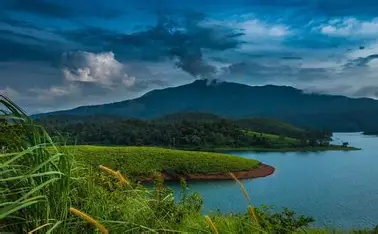
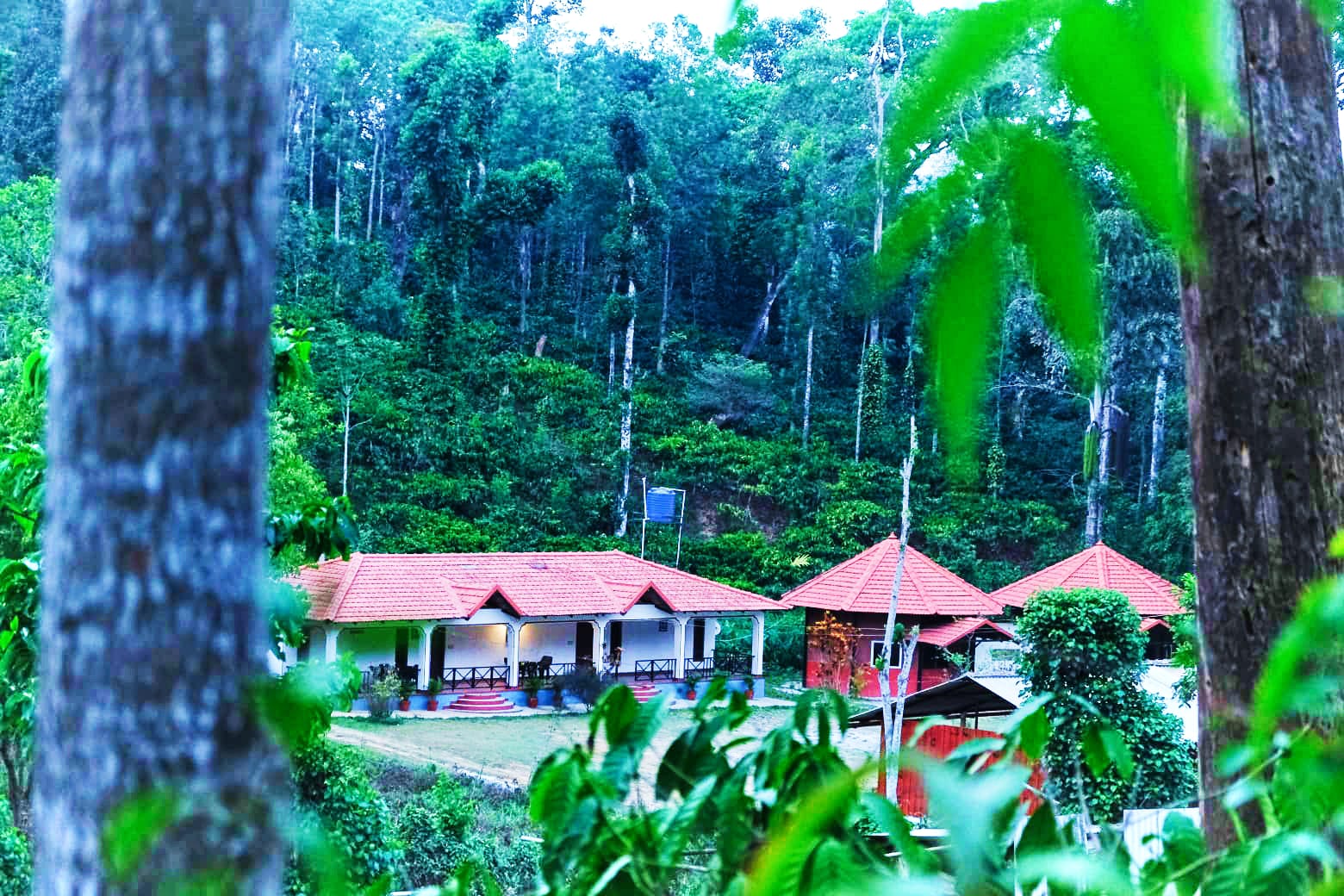
The Ballalarayana Durga – Bandaje Falls trek is a beautiful combination of two trails, Ballalarayana Durga and Bandaje Arbi, that people often miss as a single long route. The word "Arbi" means "waterfall" in the local language, which is why people use the names Bandaje Arbi, Bandaje Arbi Falls, and Bandaje Falls to mean the same thing. This trek is in Chikmagalur, which is in the lush Western Ghats and about 280 km from Bangalore. It is surrounded by coffee plantations and rich greenery, which makes the whole experience even more special.
There is an abandoned fort from the 17th century at the top of the hill that was built by Veera Ballala I. This fort gives us a look into the past. The Rani Jhari cliff, which is linked to a local legend about a queen's fall, is another interesting part of the trek. It is especially beautiful during the monsoon. The best part is the stunning Bandaje Falls, where water falls almost 1,000 feet, making for a thrilling and unforgettable view. This hike is popular during the monsoon season and is good for both beginners and experienced trekkers if they are ready.
Things to Be Careful Of ;
1. The First Part of the Forest
The forest part is short, but it is full of life. Be careful of its old trees, many kinds of insects, birds, and plants.
2. The Himalayan Meadow-Like Shola Grasslands and Shola forests
The grasslands along the trek are so beautiful that they look like the Ali and Bedni meadows in the Himalayas.
3. The view of the waterfall from the snout
There aren't many hikes that let you see the water falling from the snout to the ground over 1,000 feet. And the Ballalarayana Durga trek is one of those!
Information about the trail
The Ballalarayana durga trek starts at a higher altitude, so the climb to the fort isn't too hard. You will, however, go down almost 1,300 feet to the Bandaje waterfalls and then back up the same way, covering about 6.5 kilometers in total.
The trek is split into two parts based on the distance and the height gain:
Part I: From Kalabhyraveshwara Temple to Ballalarayana Durga Fort
Part II: From Ballalarayana Durga Fort to Bandaje Falls
Ballalarayana Durga Fort Trek – Complete Section 1 Guide
The Ballalarayana Durga Fort trek starts from the Kalabhyraveshwara
Temple and covers approximately 3 km, taking around 1 hour 30 minutes to reach
the summit. The initial stretch is a moderately steep mud road. While SUVs can
cover up to 1 km, it is recommended to park at the temple and begin trekking
from there.
Around 900 metres into the trail, you’ll find a
diversion—take the right to visit the Rani Jhari Viewpoint, which offers
stunning panoramic views of Kudremukh National Park, especially during clear
weather.
The actual trek begins near a forest checkpoint. Enter the
forest and follow the right path at the fork. The trail includes gradual
ascents, a short rock section with natural steps, and dense forest patches.
During monsoon, the trail can be slippery and leech-prone, so caution is
advised.
You will pass through two scenic clearings that offer views of the fort ruins. The final stretch is a gentle climb leading to Ballalarayana Durga Fort, where you can explore the remains and enjoy breathtaking views of Shola forests, grasslands, and surrounding hills.
Ballalarayana Durga Fort to Bandaje Falls – Complete
Section 2 Guide
This section is known for its vast rolling grasslands and
panoramic views of the Western Ghats. As you walk, you’ll experience 360°
scenic views, with clouds often drifting alongside you.
About 1 km into the trail, you’ll encounter a wind tunnel
section, where strong crosswinds—especially during monsoon—can make walking
challenging. Proceed carefully and use trekking poles for stability.
The trail continues over a series of small ascents and
descents before gradually leading downhill towards the falls. As you approach,
the sound of flowing water becomes noticeable, guiding you through a dense
forest patch.
Bandaje Falls is a breathtaking sight, plunging from a
height of over 1,000 feet. The flow varies by season—from gentle streams in
winter to powerful cascades during monsoon.
Best Time to Do Ballalarayana Durga & Bandaje Falls
Trek
The Ballalarayana Durga – Bandaje Falls trek is best
done between July and March, covering monsoon, post-monsoon, and winter
seasons.
Monsoon (July–September) is the most scenic time,
with lush green valleys, misty landscapes, and Bandaje Falls in full flow.
Unlike more challenging treks like Kumara Parvatha, this trek remains
accessible and enjoyable during monsoons.
Post-monsoon and winter (October–February) offer clear
skies and stunning panoramic views of the Western Ghats and Kudremukh
region—perfect for photography and long-distance visibility.
Avoid summer (March–May) as the trail becomes hot and dry, with minimal shade, making the trek exhausting.
Is the Ballalarayana Durga - Bandaje Arbi trek hard?
On the Ballalarayana Durga - Bandaje falls trek, there are
no parts that are hard to get through. Because the whole trail is always
rolling, a hiker needs to be ready for anything that might happen. While going
up and down, you should pay attention to these parts: • Slippery Trail: The
trail gets harder to walk on during the monsoon months because the mud and
loose gravel get very slippery, so you have to be very careful when you walk on
it. People who go trekking need to be very careful about what shoes they wear
and should check weather charts to avoid days when heavy rain is expected.
• Sections of grassland: Be careful on the steeper
parts after Ballalarayana Durga fort. The
grasslands are hilly, and you go down to the waterfall's mouth. You will also
have to climb back up to the fort. Some of these areas have loose stones and
gravel that can be hard to walk on. To keep from slipping in this part, use
your trekking poles to support yourself and hold on to your feet tightly.
• Rocky area at the base of the waterfall: The snout
of the waterfall is the last place you can go before the water falls more than
1,000 feet. This part of the trek is the most dangerous. Be very careful here,
especially during the monsoon season when the rocks are slippery.